
How Wetsuit Dryers Work and Why They Matter?
How Wetsuit Dryers Work & Why They Matter

A wetsuit keeps you warm in cold water — but once you’re out, it becomes heavy, damp and slow to dry. In UK conditions especially, natural drying can take 24–48 hours.
Without proper drying, moisture leads to bad smells, bacteria build-up and long-term neoprene damage. That’s why a dedicated wetsuit dryer is one of the smartest investments regular riders can make.
Here’s how wetsuit dryers work — and why they matter.
The Problem with Traditional Drying Methods
Most people rely on:
- Hanging wetsuits outdoors
- Leaving them in airing cupboards
- Drying over radiators
Each method has drawbacks.
Direct sunlight can damage neoprene and reduce flexibility. Indoor air drying can take days in humid conditions. Radiators or heaters expose suits to excessive heat, which weakens seams and materials.
Worse still, storing a damp wetsuit in a bag creates the perfect environment for mould and bacteria growth.
How Wetsuit Dryers Actually Work
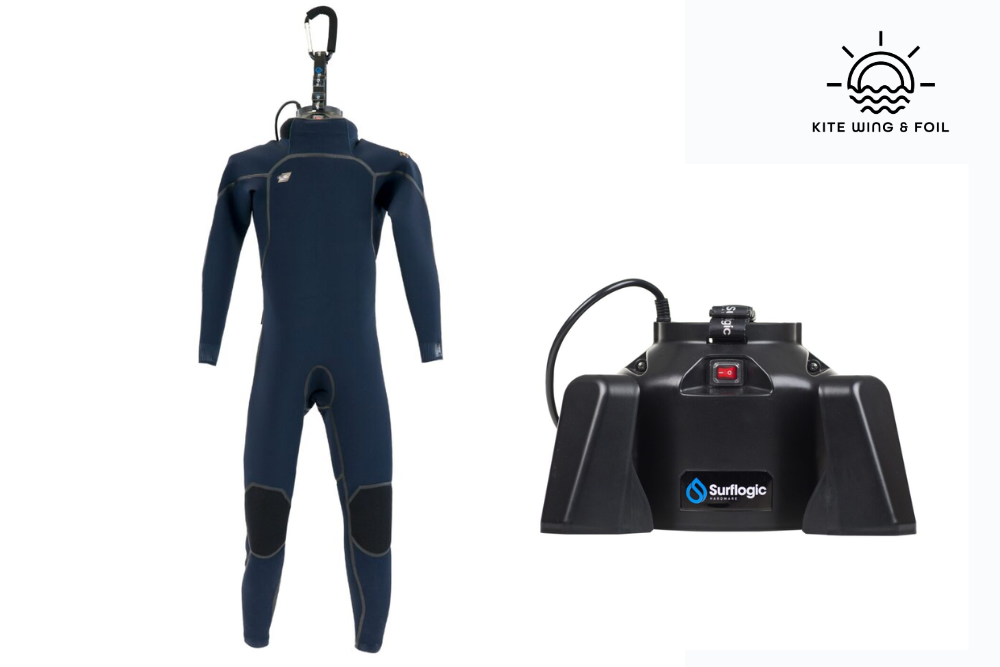
A wetsuit dryer uses controlled airflow and gentle heat to circulate warm air through the inside of your suit.
Instead of drying the outer surface first (like natural drying), it dries from the inside out — where most moisture sits.
Most high-quality models:
- Use internal fan systems
- Operate at neoprene-safe temperatures
- Distribute airflow evenly through arms and legs
- Dry thick winter wetsuits in 2–5 hours
This results in faster, more hygienic and safer drying.
Why Quick Drying Is So Important
1. Prevents Odours
Moisture trapped in neoprene encourages bacteria and mildew. Faster drying reduces microbial growth and prevents that classic “wetsuit smell.”
2. Protects Neoprene
Long exposure to dampness weakens neoprene over time. Controlled drying helps maintain elasticity and flexibility.
3. Improves Comfort
No one enjoys pulling on a cold, clammy wetsuit. A dry suit feels warmer and performs better.
4. Saves Time
Instead of waiting overnight — or longer — your wetsuit can be ready within a few hours.
Protecting Your Wetsuit with Gentle Drying
Excessive heat damages neoprene. That’s why purpose-built dryers use controlled temperatures rather than high heat.
A quality model like the Surflogic Wetsuit Pro Dryer is designed specifically for neoprene gear — protecting seams, flexibility and overall lifespan.
Who Benefits Most from a Wetsuit Dryer?
You’ll benefit most if you:
- Ride multiple times per week
- Use thick 5mm+ winter wetsuits
- Go on surf or kite trips
- Live in damp or humid climates
For regular riders, the time saved alone makes it worthwhile.
Is a Wetsuit Dryer Eco-Friendly?
Compared to blasting central heating or using radiators, a purpose-built dryer uses controlled energy efficiently.
More importantly, protecting your wetsuit extends its lifespan — reducing waste and replacement frequency.
Final Thoughts
A wetsuit dryer isn’t just a convenience — it’s protective maintenance for expensive neoprene gear.
It reduces drying time, prevents odour, protects materials and improves comfort session after session.
If you ride regularly in UK conditions, it’s one of the most practical accessories you can own.
Explore the Surflogic Wetsuit Pro Dryer at Kite Wing & Foil today.
Frequently Asked Questions
How long does a wetsuit dryer take?
Most wetsuit dryers dry a 3mm suit in 2–3 hours and a 5mm winter suit in 3–5 hours, depending on humidity.
Can I use a radiator instead?
Radiators expose neoprene to excessive heat, which can weaken seams and materials over time.
Do wetsuit dryers prevent mould?
Yes. By reducing moisture quickly, they significantly lower the risk of bacterial and mildew growth.