Flysurfer POW Parawing Review - The Ultimate Parawinging Wing for 2025/2026
Parawinging has emerged as one of the most exciting evolutions in wind-powered foiling. More than a trend, it blends the simplicity of winging with the power of kite foiling to create a new style of riding that’s efficient, fast to learn, and incredibly fun on swell and downwind runs. And at the centre of this growth is one standout product: the Flysurfer POW Parawing.
In this review we break down what makes the POW special, how it compares to other parawing approaches, who it’s great for, optimal conditions, key pros/cons, and how to get the most out of this wing.
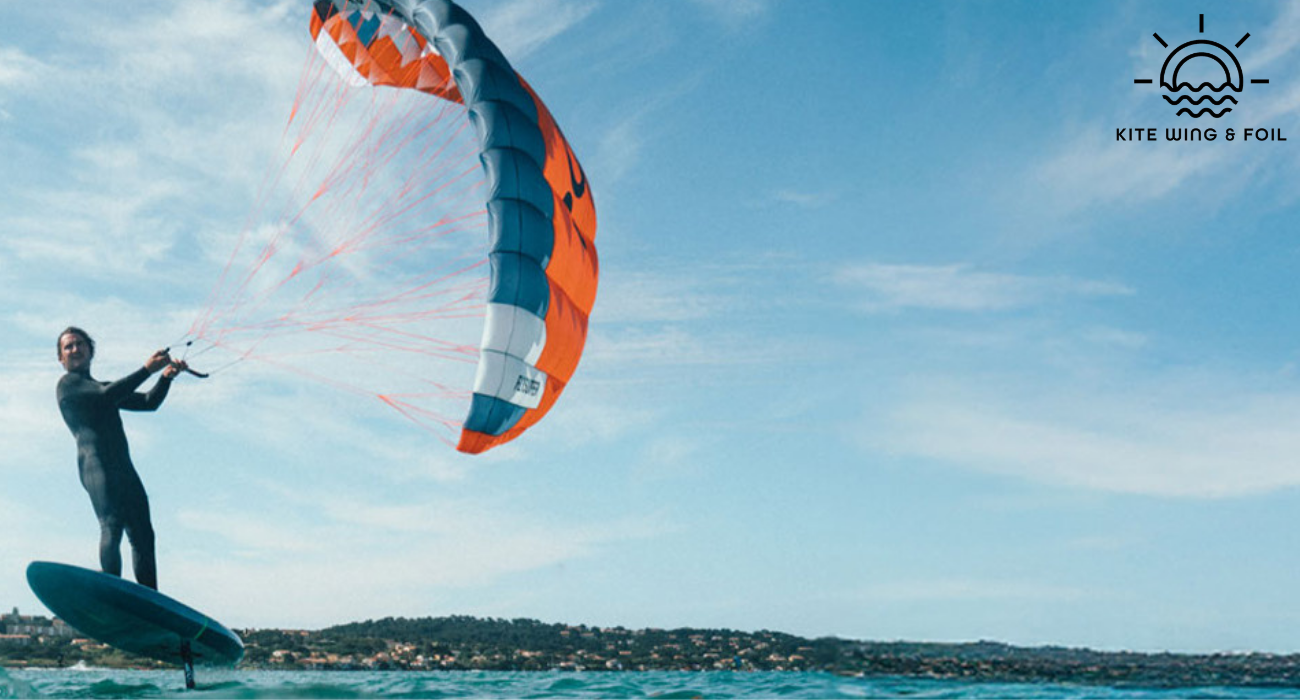
A purpose-built parawing with short-line bar control, soft canopy, and drift-maximising design.
What Is the Flysurfer POW Parawing?
The Flysurfer POW Parawing is the first wing designed specifically for parawinging — not a repurposed kite, not a modified wing; it’s engineered from the ground up for short-length control, efficient power delivery, and ultra-lightweight handling. Unlike traditional inflated wings, the POW uses a soft canopy and short lines (2–4m) with a control bar to give riders direct, intuitive steering and excellent drift.
Why the POW Stands Out
- Soft non-inflatable canopy: light, packable, and quick to deploy.
- Short-line control bar: faster reaction, close-in power delivery, and minimal swing mass.
- Designed for parawinging: not a converted kite — every aspect is built for direct control and drift.
- Minimalist and efficient: packs down to hoodie-size, perfect for travel and quick setup.
How the POW Feels on the Water
Once you’ve rigged the Flysurfer POW — which is quick thanks to its minimalist construction — the difference becomes obvious on your first runs. The power is steady and predictable, making takeoff and initial drive smooth without jerky pull. Once you’re up and gliding, the wing remains unobtrusive allowing you to focus on your board and foil rather than fighting rigging or lines.
Best Conditions for Parawinging with the POW
Parawinging with the POW really shines in:
- Moderate winds (10–20 knots) — enough pressure to move, but not overpower.
- Open water or downwind terrain — long, rolling wind swell makes the wing most efficient.
- Wave zones — the POW’s drift and light feel make it easy to surf swell and reconnect to wind power.
Because the POW doesn’t rely on a rigid frame, it is forgiving in gusty or variable winds and lets you absorb changes without a lot of correction.
Gear You’ll Need to Parawing
To pair with the Flysurfer POW, here’s a basic setup list:
- A foilboard (ideally a stable platform for downwind or swell riding).
- A foil set with efficient lift and glide characteristics (mid- to high-aspect foils work well).
- A control bar with short lines (Flysurfer’s POW bar is designed for this wing).
- Optional: harness, leash, impact vest, helmet — depending on your spot and skill level.
Who the POW Is Best For
The Flysurfer POW is ideal for:
- Wingfoilers and kitefoilers looking for a new, freer way to cover distance and play on swell.
- Downwinders — the efficiency and drift help you link bumps with ease.
- Wave riders who want a simple wing that doesn’t obstruct your view or movement.
- Experienced foilers who want a more direct feel than a traditional wing offers.
Pros vs Cons
Here’s what stands out:
- Pros: Lightweight, easy to pack, purpose-built design, intuitive handling.
- Cons: Still a niche style (gear/ecosystem isn’t as broad as kiting/winging yet), requires a stable foilboard.
POW Compared to Traditional Wings
Unlike a regular inflatable wing used in wingfoiling:
- The POW doesn’t have struts to inflate — making setup faster and travel easier.
- The short lines keep the wing close, improving responsiveness and steering clarity.
- It drifts more cleanly, making it excellent for downwind and swell riding.
FAQ — Flysurfer POW Parawing
Is parawinging hard to learn?
Can I jump or do tricks with the POW?
What wind range is best?
Is the POW safe for beginners?
Looking for the ultimate packable parawing? View the Flysurfer POW Parawing here and start riding in a whole new way.