
How to Choose the Right Kite for Your Skill Level and Conditions?
How to Choose the Right Kite for Your Skill Level and Conditions
Kiteboarding blends power, precision and freedom. But it’s also one of the most technical wind sports — and your kite choice directly affects safety, progression, and performance.
Choosing the right kite isn’t just about size. It’s about matching wind strength, rider weight, board type, skill level, and riding style into one balanced setup.
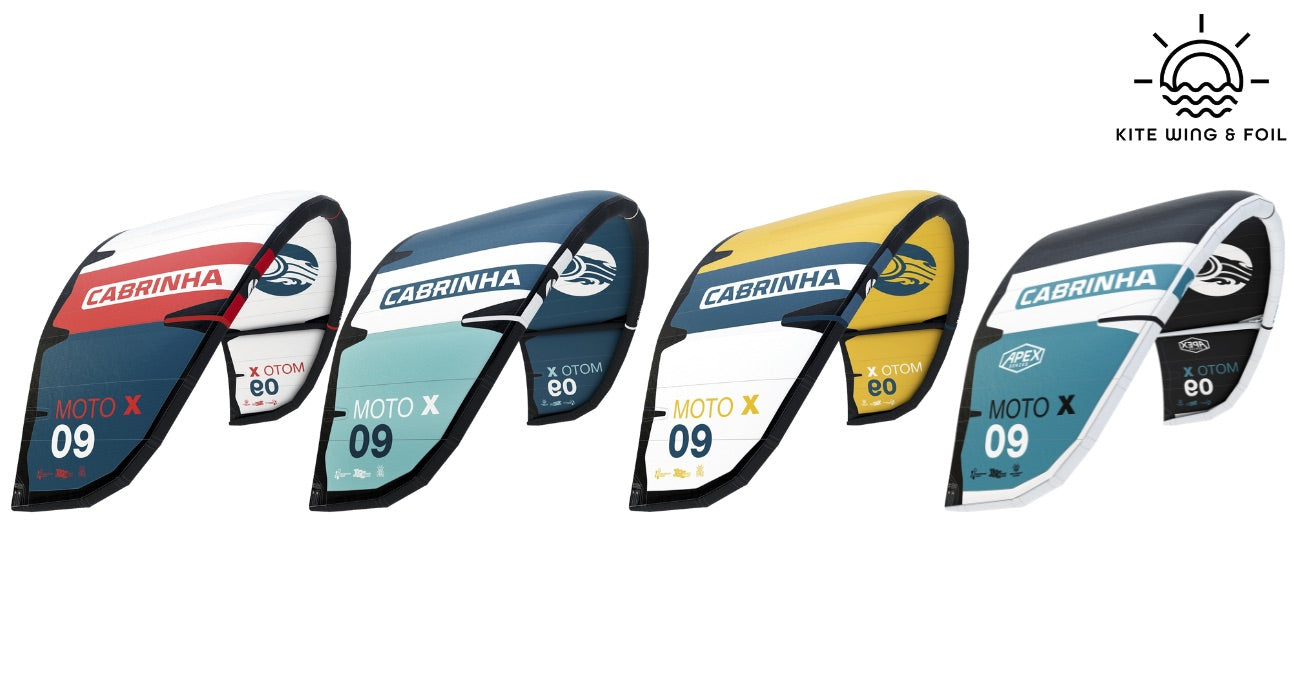
Shopping for Cabrinha kites? Browse the full range here: Kite range.
1. Understand What a Kite Actually Does
Your kite is your engine. It generates lift, forward drive, hangtime, and stability. Without the correct power delivery and control characteristics, even the best board won’t save your session.
Drift Performance (Often Overlooked — Very Important)
Drift is how well a kite stays flying when line tension drops. It matters most when you’re riding toward the kite (downwind), or when the kite isn’t loaded.
- Wave riding: Good drift lets you surf down the line without constantly steering.
- Jumping: Helps keep the kite flying if lines slack during takeoff/landing.
- Hydrofoiling: When riding fast and downwind, drift helps maintain kite flight.
- Light wind: Better drift reduces crashes and improves relaunch success.
2. Choosing the Correct Kite Size
Kite size is measured in square metres (m²). There is no universal “best size” — only the best size for your weight and wind.
Key Factors That Influence Kite Size
- Wind speed: Stronger wind = smaller kite.
- Rider weight: Heavier riders need slightly larger kites.
- Board type: Foil boards need less power; twin-tips need more.
- Skill level: Beginners benefit from controlled, moderate sizing.
- Kite design: Shape impacts usable wind range and handling.
3. Common Kite Sizes & Typical Wind Ranges (Approx.)
| Kite Size | Wind Range (75kg reference) | Best Use |
|---|---|---|
| 14–18m² | 6–14 knots | Light wind freeride / learning in lighter breeze |
| 11–13m² | 14–18 knots | All-round conditions |
| 5–9m² | 18–30+ knots | High wind control / boosting |
Quick note: Kite brand, model, board type and skill level shift these ranges. Always use the wind-range guidance listed on the specific product page for final sizing.
4. Weight Adjustment Rule (Simple & Practical)
- +/- 1m² per 10kg difference from 75kg, or
- +/- ~2 knots per 10kg difference
Example: 85kg rider
- 14–23 knots → typically 12–13m²
- 27–35 knots → typically 6–7m²
5. Skill-Level Recommendations
Beginners
- Prioritise stability, relaunch, and predictable power.
- Avoid oversizing “for more power” — it’s the fastest way to get into trouble.
- Ride in a comfortable learning band (often 12–20 knots) and get coaching.
Intermediate Riders
- Match kite sizes to your most common wind.
- Build a 2–3 kite quiver that overlaps wind ranges.
Advanced Riders
- Smaller kites in stronger wind generally = more control and higher performance.
- Fine-tune based on discipline: waves, freeride, freestyle, big air, foil.
6. Safety: Don’t Oversize
Picking a kite that’s too big “to make light wind work” can be dangerous. A large kite can lift you unexpectedly, accelerate you downwind, and turn small mistakes into big consequences.
- When in doubt, size down and choose a bigger board (or foil) to compensate.
- In gusty conditions, choose the kite that keeps you controlled at the gust strength, not the lull.
7. A Proven All-Round Reference: Cabrinha Switchblade
If you want a stable freeride kite with wide wind range and easy handling, the Switchblade remains a benchmark.
Cabrinha Switchblade (2026) is known for predictable power delivery, strong relaunch, and confidence-building handling.
Browse all available Cabrinha kite models here: Cabrinha kites.
8. Quick “Starter Quiver” Example (UK Conditions)
For many riders around 75–85kg on a twin-tip, a simple and effective setup is:
- 12m → roughly 12–20 knots
- 9m → roughly 18–28 knots
This covers a big chunk of rideable days without overcomplicating your kit.
FAQ
What kite size should a complete beginner start with?
There’s no single size that’s “best” — it depends on your weight and local wind. Most beginners do best on a stable freeride kite sized for moderate wind (often 12–20 knots). Your instructor should help you pick a safe size for the day.
How many kites do I need?
Most riders start with 2 kites that overlap wind ranges (e.g., 9m + 12m). If you ride a lot or want better coverage, a 3-kite quiver gives smoother wind-range stepping.
Should I size for the gusts or the lulls?
Always size for control at the gust strength. If you size for lulls, gusts can overpower you quickly. If lulls are common, consider a bigger board/foil or a different session time.
Does board choice change kite size?
Yes. A foil board needs less kite power than a twin-tip, and larger light-wind boards can let you ride a smaller kite. If you’re switching board types, revisit sizing.
What’s the safest wind range for learning?
Many beginners learn best in steady, moderate wind (often around 12–20 knots), on flat-ish water with plenty of space — but always follow local guidance and instruction.
Need Help Choosing the Right Cabrinha Kite?
If you want a quick recommendation, send us:
- Your weight (kg)
- Your board type (twin-tip, directional, foil)
- Your typical wind range (knots)
- Your skill level
- Your local spot (optional)
Contact us here: Support / Contact
Conclusion
The right kite isn’t the biggest, most expensive, or most powerful one — it’s the one that matches your weight, conditions, and goals while keeping you in control.
Start stable, size safely, and build a quiver that matches your most common wind.
Browse the full kite range here: Cabrinha kites