
Best Kitesurfing & Wing Foiling Spots in the UK (2026 Guide)
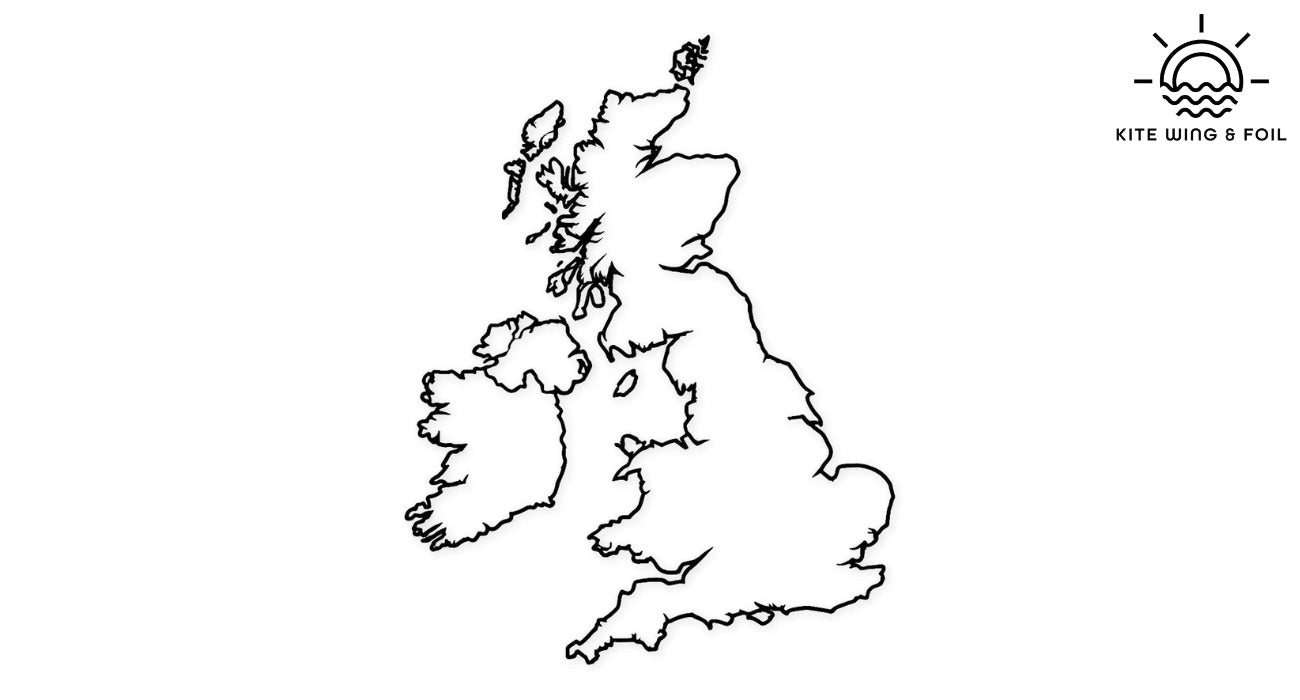
The UK has some of the most varied kitesurfing and wing foiling conditions in Europe. From sheltered flat water and wide sandy beaches to open Atlantic swell, there are locations for every riding style and ability level.
This guide covers some of the best-known kitesurfing and wing foiling spots across England, Wales and Scotland, including locations associated with flat water, wave riding, stronger wind and progression.
If you are planning your setup before heading out, explore our kitesurfing equipment, wing foiling equipment and foil boards.
Conditions, access rules and suitable launch areas can change with wind direction, tide, swell and local restrictions. Check a reliable forecast, tide times and local guidance before travelling. If you are learning, book qualified instruction and never ride alone.
Best Kitesurfing & Wing Foiling Spots: UK Overview
Some of the most popular UK riding areas include the South Coast, Cornwall and the South West, Wales, Kent and parts of Scotland. Each region offers a different mix of wind reliability, water state, space and accessibility.
South Coast: Best All-Round Conditions
Camber Sands, East Sussex
Camber Sands is one of the UK’s best-known kitesurfing beaches, with a wide sandy area and extensive shallows around lower states of tide. Its size and accessibility make it popular for lessons and progression, although riders must still check tides, currents, designated zones and local guidance.
Hayling Island, Hampshire
Hayling Island is an established watersports location with a strong local riding community. Conditions vary considerably with wind direction and tide, with opportunities for freeride, stronger-wind sessions and flatter water in suitable areas.
Calshot, Hampshire
Calshot is known for relatively sheltered water and access to the Solent. It can offer useful conditions for learning and progression when the tide, wind direction and local operating rules are suitable.
East and West Wittering, West Sussex
The Witterings offer a mixture of open-water, wave and flatter-water opportunities depending on the exact launch, wind direction and tide. Local restrictions and designated riding areas should always be checked before launching.
Portland Harbour, Dorset
Portland Harbour is a well-known flat-water destination protected by Chesil Beach. It is popular for freeride, progression, freestyle and foiling, but riders should understand the harbour’s launch arrangements, other water users and local rules.
Best for: Flat water, freeride, progression and mixed ability groups.
Cornwall & South West: Waves and Stronger Wind
Watergate Bay, Newquay
Watergate Bay provides a large sandy beach and exposure to Atlantic wind and swell. It is popular with experienced riders and is also used by local schools, but wave conditions, shorebreak and currents can make professional instruction essential for newcomers.
Gwithian Beach
Gwithian is one of Cornwall’s recognised wave-riding locations, with exposure to strong wind, swell and powerful surf. It is better suited to riders with the experience to manage waves, currents and changing coastal conditions.
St Ives Bay
St Ives Bay offers a broad coastal area with several possible riding locations. Suitability depends on the exact beach, wind direction, tide, swell and seasonal restrictions.
Bantham and Exmouth, Devon
Devon provides a mixture of estuary, flat-water and wave conditions. Bantham is associated with open coastal surf, while Exmouth can offer flatter estuary riding in suitable conditions. Both require careful checking of currents, tides, launch areas and local rules.
Best for: Wave riding, stronger wind and experienced coastal riders.
Wales: Reliable Wind and Open Space
Rhosneigr, Anglesey
Rhosneigr is one of the UK’s most established kitesurfing destinations, offering access to a variety of coastal conditions and a strong local watersports community. The precise launch and equipment choice should be matched to the forecast and rider level.
Abersoch, Llŷn Peninsula
Abersoch can provide more sheltered water than exposed Atlantic beaches, making it attractive for freeride and mixed-ability groups when wind direction, boat traffic and local access arrangements are suitable.
Porth Neigwl, Hell’s Mouth
Porth Neigwl is an exposed bay capable of producing strong wind, large waves and demanding shore conditions. It is primarily an experienced-rider location when the forecast is powerful.
Best for: Open beaches, coastal freeride, wave riding and experienced riders seeking space.
South East & Kent: Accessible from London
Greatstone
Greatstone has an extensive sandy beach and shallow water at suitable tide states. It is popular with riders travelling from London and the South East, particularly when the wind direction works for the location. Local zones, tide movement and launch conditions still need to be checked carefully.
Whitstable to the Kent Coast
The Kent coast provides several kitesurfing and wing foiling options, with conditions varying substantially between beaches. Wind direction, tide, shoreline hazards and local access rules determine which location is appropriate on a given day.
Best for: Accessibility, freeride, flatter water and progression in suitable conditions.
Scotland: Wild, Scenic and Less Crowded
Scotland offers exceptional scenery, open coastlines and a wide range of wind and water conditions. The north, east and west coasts can all provide memorable kitesurfing and wing foiling sessions, but remoteness, cold water, rapid weather changes and limited rescue cover require careful preparation.
Locations around Troon and other parts of the west coast, St Andrews and the east coast, and more remote northern beaches are used by local riders. Seek current local advice before travelling and carry equipment appropriate for colder water and changing weather.
Best for: Experienced riders, stronger wind, open space and riders prepared for colder, more remote conditions.
Best UK Spots by Riding Style
| Riding Style | Locations to Research | What to Check |
|---|---|---|
| Learning and progression | Camber Sands, Calshot, Portland Harbour | Qualified schools, local zones, tide and wind direction |
| Flat water and freeride | Portland Harbour, Hayling Island, selected estuary locations | Tidal access, currents, other water users and restrictions |
| Waves | Gwithian, Watergate Bay, Porth Neigwl | Swell, shorebreak, currents, hazards and rider experience |
| Wing foiling | Portland Harbour, South Coast and suitable Kent locations | Water depth, foil hazards, launch space and board-leash rules |
| Stronger wind | Cornwall, Wales and exposed Scottish coasts | Gusts, temperature, sea state, rescue cover and suitable kite or wing size |
Match Your Equipment to UK Conditions
UK sessions range from shallow flat water to gusty coastal wind and open-water swell. Start with equipment that matches where and how you ride.
The Switchblade Apex offers dependable stability, easy upwind performance and controlled jumping progression.
View Switchblade Apex →The Moto X Apex provides fast, responsive handling for freeride, waves and changing coastal conditions.
View Moto X Apex →The Cabrinha Mantis V6 balances stable power, control and versatility across typical UK wingfoil conditions.
View Mantis V6 →The JP XR IPR prioritises stability, efficient take-offs and forgiving touchdown recovery.
View JP XR IPR →When Is the Best Time to Kitesurf or Wing Foil in the UK?
- Spring and summer: Warmer air and water, longer daylight and generally lighter wind periods.
- Autumn and winter: More frequent stronger-wind systems, colder water and potentially larger swell.
The UK can be rideable throughout the year, but your equipment, thermal protection and experience must suit the conditions. Read our light-wind setup guide for marginal-wind equipment advice.
Common Mistakes When Choosing a UK Riding Spot
- Choosing a beach without checking whether the wind is safely cross-shore or onshore.
- Ignoring tide times, tidal currents and how the launch changes through the tide.
- Assuming a popular location is suitable for every ability level.
- Overlooking local restrictions, designated zones and seasonal access rules.
- Underestimating shorebreak, waves, cold water or offshore wind.
- Riding alone or without appropriate instruction and safety equipment.
Tell us where you normally ride, your weight, ability and usual wind range. We will help shortlist an appropriate kite, wing, board or foil setup.
Contact Us for Advice →Frequently Asked Questions
Answers to common questions about kitesurfing and wing foiling locations in the UK.
Where is the best place to kitesurf in the UK?
Popular all-round areas include Camber Sands, Portland Harbour, Hayling Island, Rhosneigr and parts of Cornwall. The best location for a particular session depends on wind direction, tide, forecast, ability and local restrictions.
Where can beginners learn to kitesurf in the UK?
Qualified schools operate at several established locations, including areas around Camber Sands, the South Coast, Portland and other recognised centres. Beginners should book professional instruction rather than choosing a beach solely because the water appears shallow.
Is the UK good for wing foiling?
Yes. The UK offers harbours, reservoirs, estuaries and open coastal locations suitable for wing foiling. Check water depth, underwater hazards, launch space, local rules and whether the conditions suit your ability.
What wind direction works best for UK kitesurfing?
The correct wind direction depends entirely on the location. Cross-shore and cross-onshore winds are commonly preferred, while offshore wind can carry a rider away from land and should be avoided unless operating within an appropriate managed environment.
Can you kitesurf and wing foil all year in the UK?
Both sports are possible throughout the year, but winter requires suitable thermal protection, stronger-wind skills and additional preparation for cold water, shorter daylight and more changeable weather.
Which UK locations work in lighter wind?
Flatter-water areas can make marginal-wind sessions more achievable, but no location guarantees light-wind performance. Rider weight, wing or kite size, board efficiency, foil choice and pumping technique all affect the usable low end.
How do I check whether a UK spot is safe on the day?
Check an up-to-date marine forecast, wind direction, tide times, swell, temperature, local restrictions and advice from an established school or local riders. Inspect the launch and landing area before setting up and do not enter the water if the conditions exceed your experience.


