Kitesurf Kite Size Guide
Choose the right kite size based on rider weight, wind strength and typical UK riding conditions.
If you’re new to the sport, see our Beginner Kitesurf Setup Guide.
How to Choose the Right Kite Size
Choosing the correct kite size is one of the most important decisions when building a kitesurf setup.
The right size depends on your rider weight, the strength of the wind and the type of riding you plan to do. Larger kites generate more power and help riders get on the water in lighter winds, while smaller kites provide more control when the wind increases.
Most UK riders use a combination of two kite sizes to cover typical wind ranges between 15 and 30 knots.
If you're building your first setup, see our Beginner Kitesurf Setup guide for recommended equipment.
Board size also plays an important role in early planing and upwind performance. If you're unsure which kiteboard size to choose, see our Twin Tip Board Size Guide.
Explore more advice in our Kitesurf Guides hub.
| Rider Weight | Light Wind (12–16 knots) | Moderate Wind (16–22 knots) | Strong Wind (22–30 knots) |
|---|---|---|---|
| 60–70 kg | 12m | 9–10m | 7–8m |
| 70–80 kg | 13–14m | 10–11m | 8–9m |
| 80–90 kg | 14–15m | 11–12m | 9–10m |
| 90–100 kg | 15–17m | 12–13m | 10–11m |
Understanding Wind Range
Wind strength is the biggest factor when choosing kite size.
Light wind sessions typically require larger kites to generate enough power to stay upwind and maintain speed. When the wind increases, smaller kites become easier to control and provide better handling during jumps and transitions.
Most UK riders build a two-kite quiver covering medium and strong wind conditions.
For riders in the UK, wind conditions vary significantly between coastal and inland spots. See our Best Kites for UK Wind Conditions guide for model recommendations.
Recommended Beginner Kite Sizes
70–80kg Riders
Typical kite sizes:
10m + 13m
This combination covers most UK wind ranges for average weight riders learning on a twin tip.
80–90kg Riders
Typical kite sizes:
11m + 14m
A slightly larger setup provides enough power for heavier riders in lighter winds.
90kg+ Riders
Typical kite sizes:
12m + 15m
Heavier riders benefit from larger kites that generate more pull in marginal wind conditions.
Essential Kitesurf Safety & Setup Gear
Alongside choosing the right kite size, these essentials make learning safer, improve comfort, and help you progress faster in UK conditions.
Example Beginner Kitesurf Setup
This example setup combines stable freeride equipment designed to help beginner riders progress quickly in typical UK wind conditions.
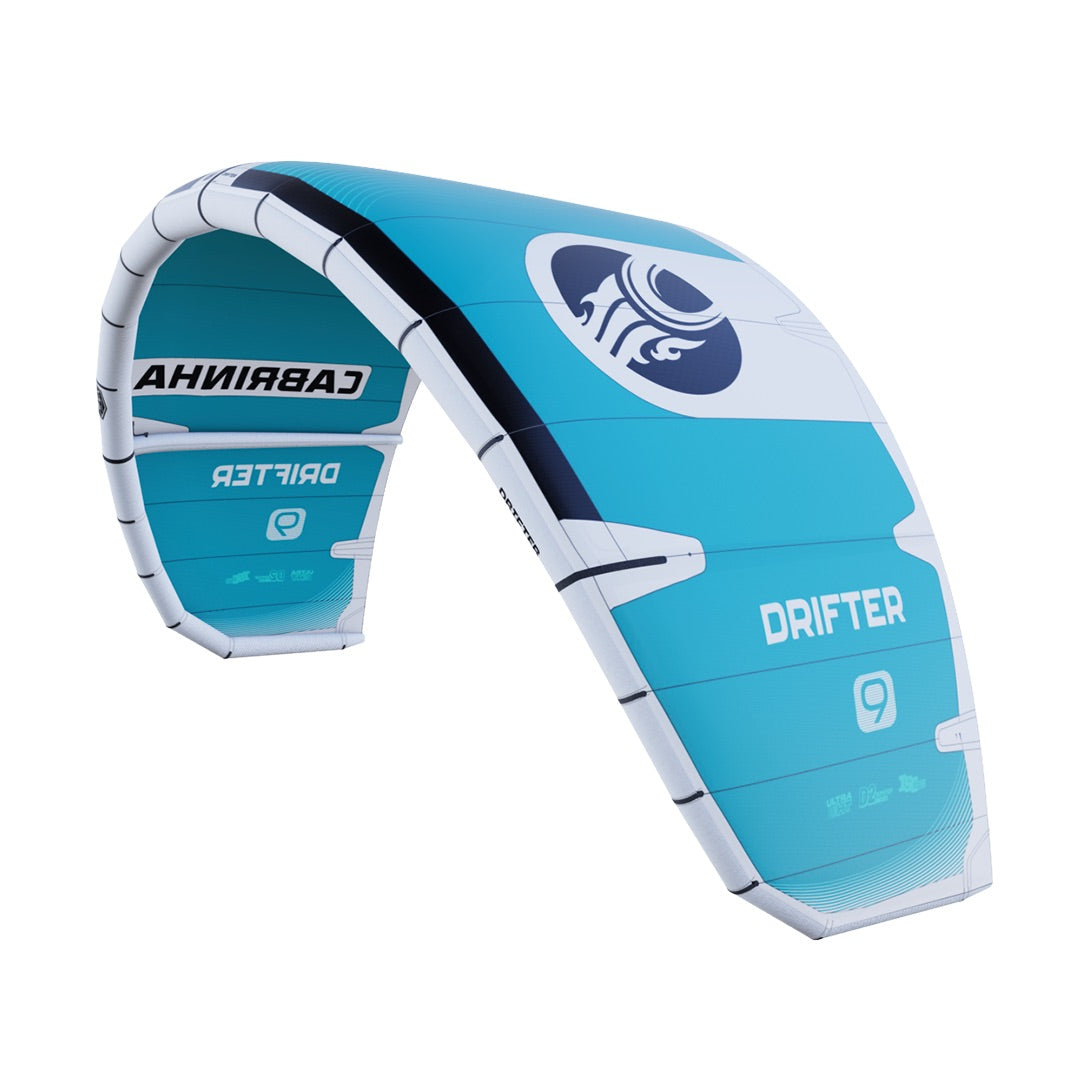
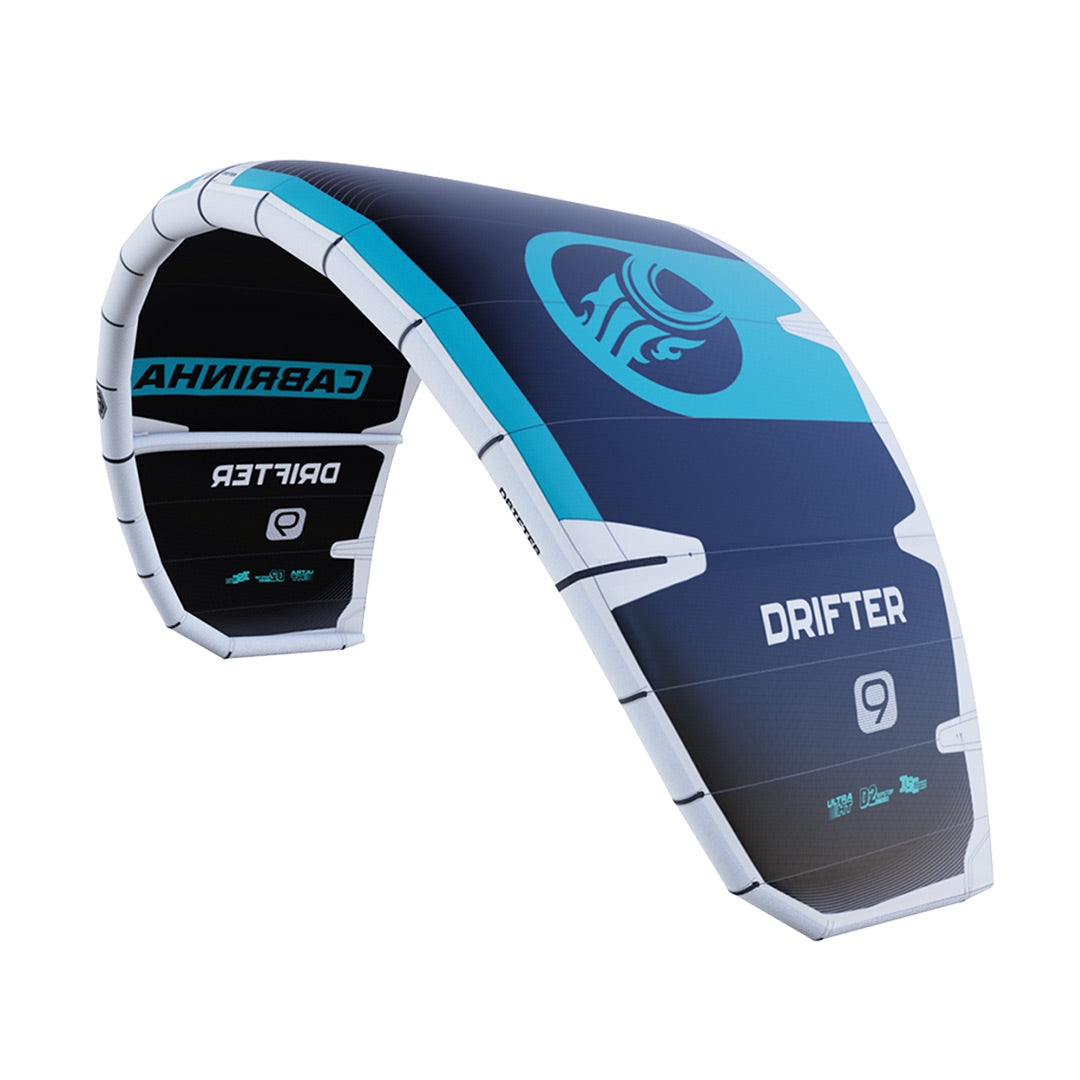
Beginner Freeride Setup – Cabrinha
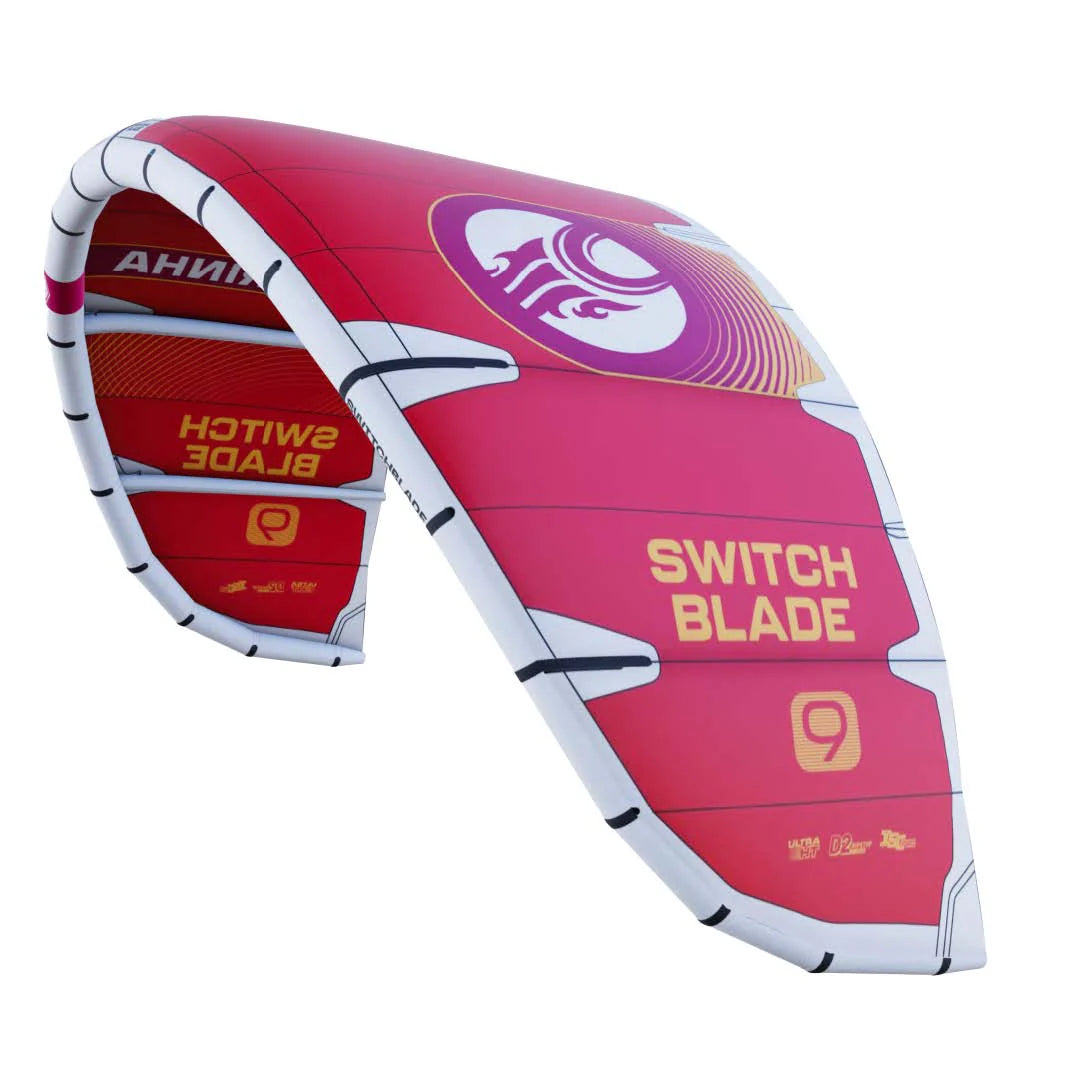
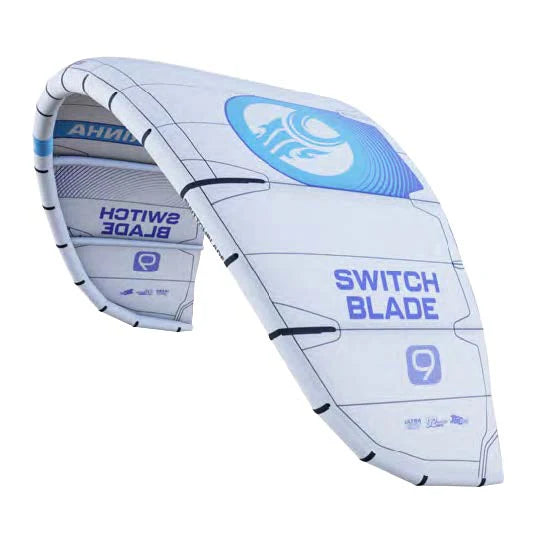
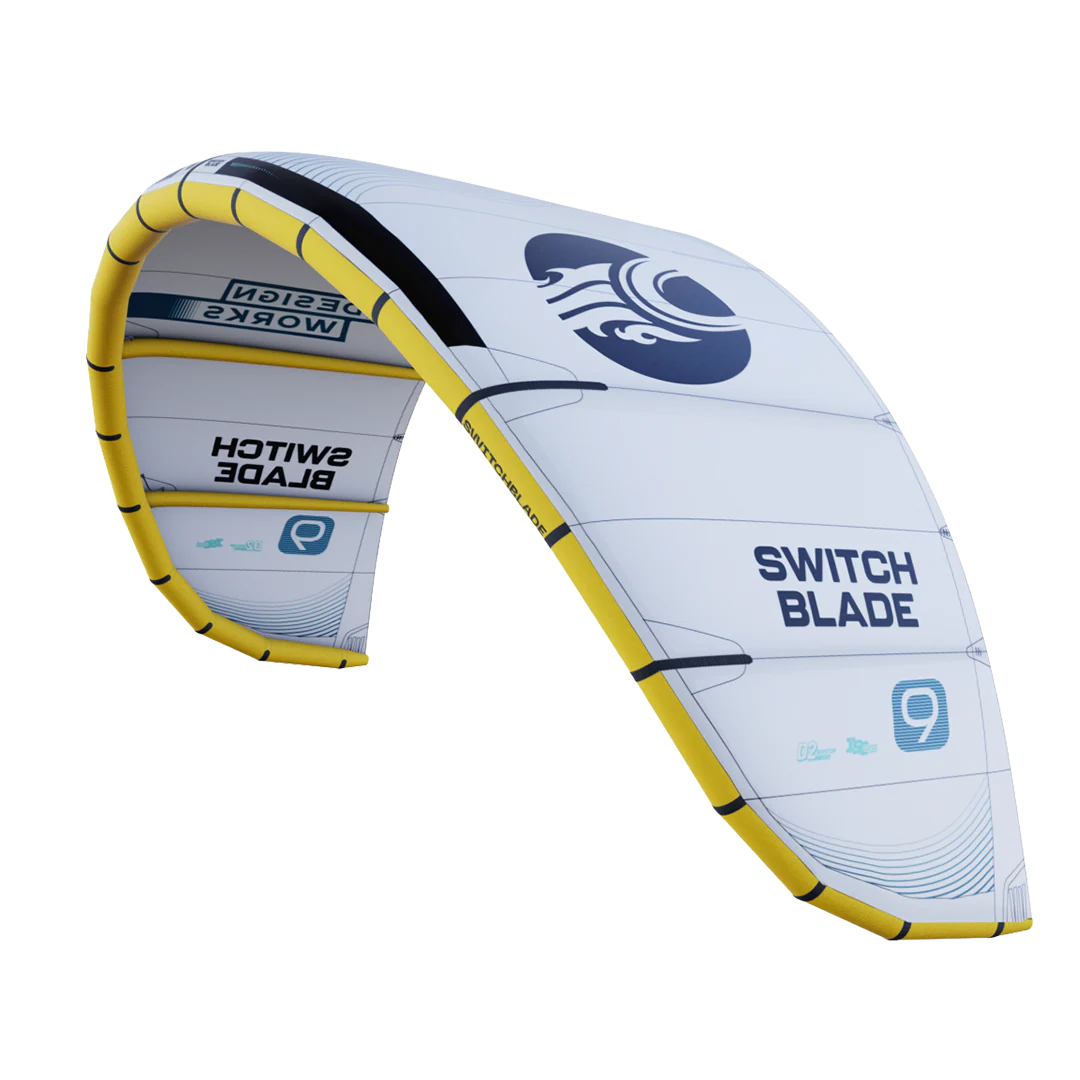
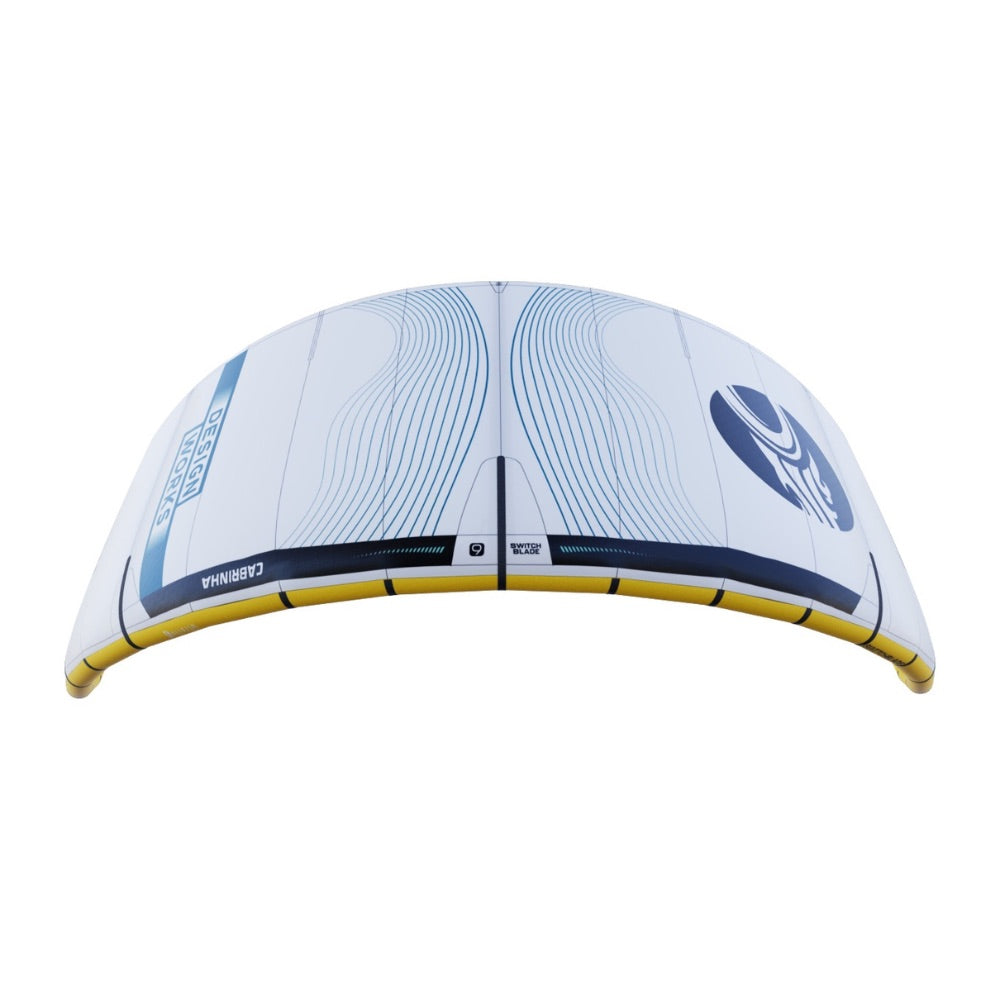
The Cabrinha Switchblade is one of the most popular beginner-friendly kites thanks to its predictable power delivery, easy relaunch and stable handling.
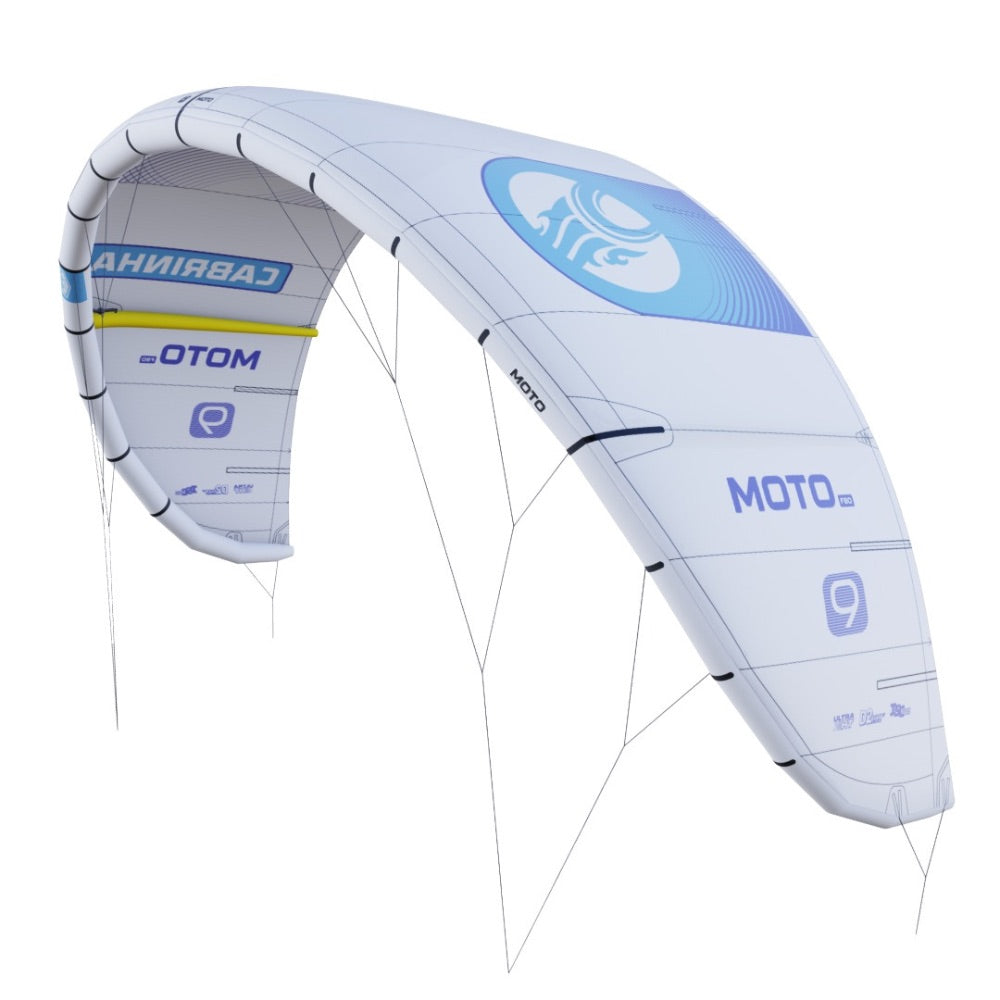
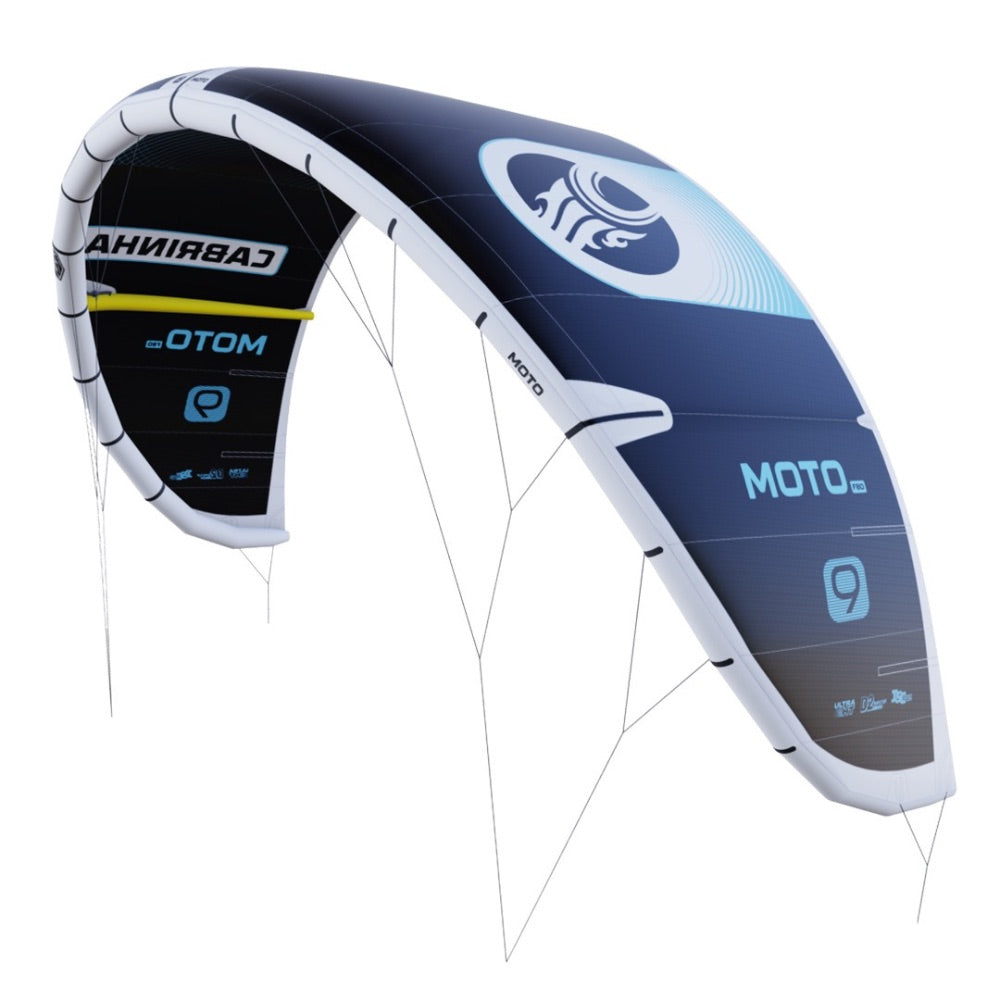
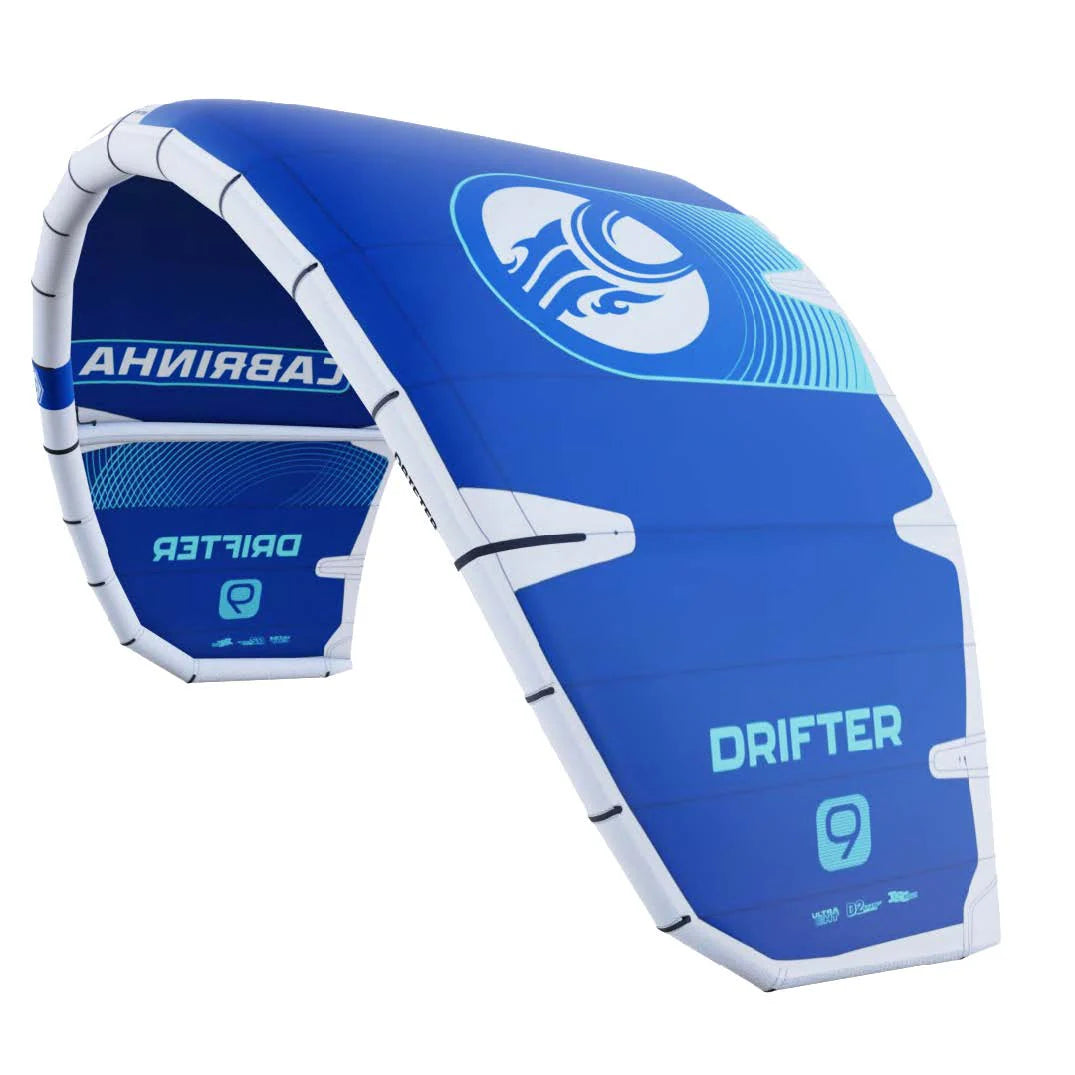
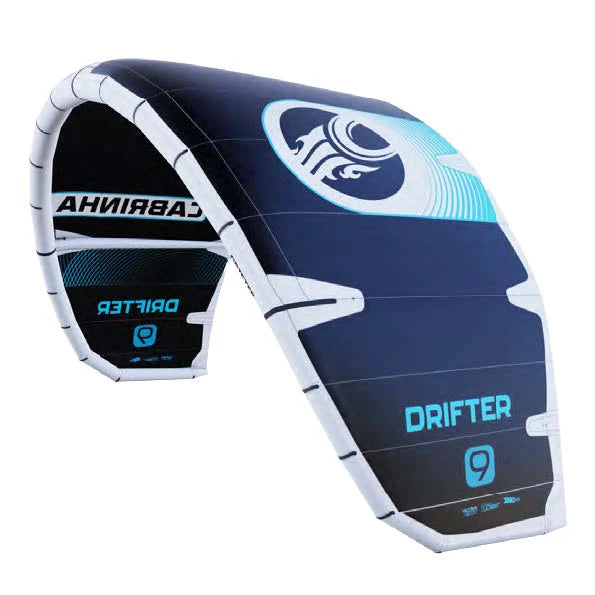
Recommended All-Round Kites
Kitesurf Gear Guides & Comparisons
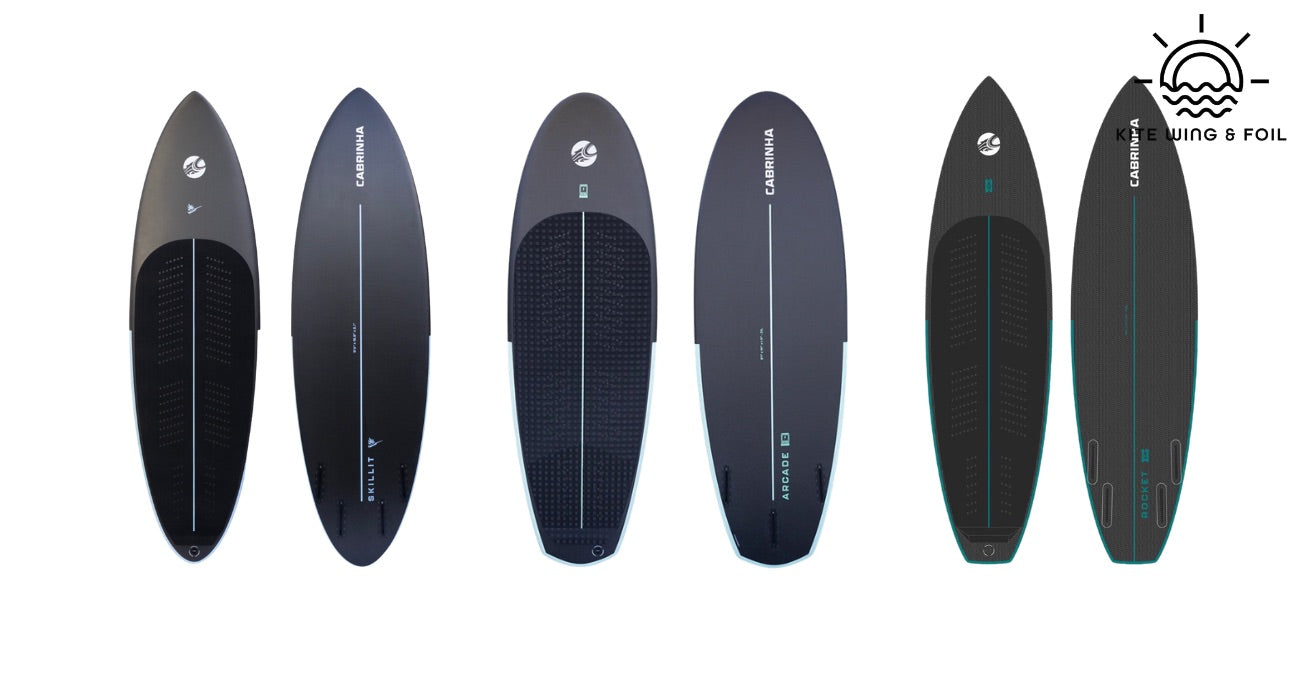
Cabrinha Skillit vs Arcade vs Rocket 2026: Which Kite Surfboard Should You Choose?
Cabrinha Skillit vs Arcade vs Rocket 2026 — which kite surfboard is right for you? Compare all three boards for wave riding, strapless freestyle, speed and everyday UK conditions, with clear recomm...
Read more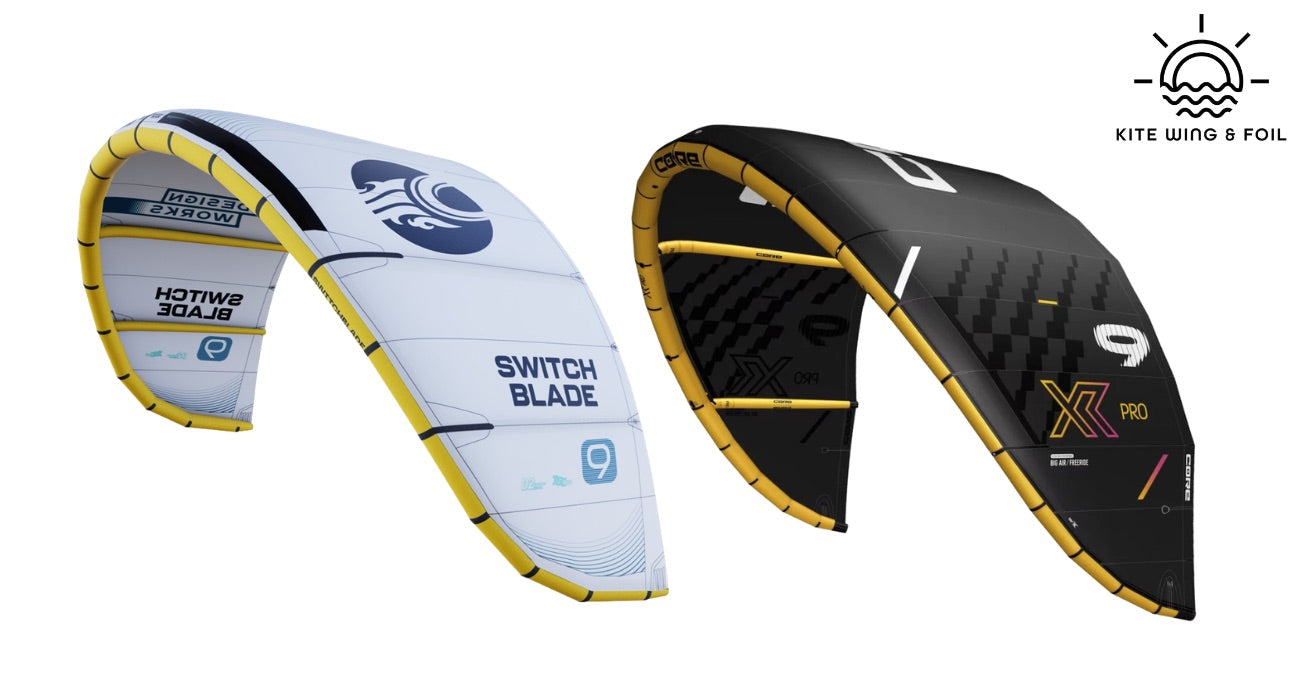
Cabrinha Switchblade Design Works 2026 vs CORE XR Pro 2 – Which Premium Big Air Kite?
Compare the Cabrinha Switchblade Design Works 2026 and CORE XR Pro 2. We examine Aluula construction, boosting, hangtime, loops, freeride control and bar compatibility to help you choose the right ...
Read more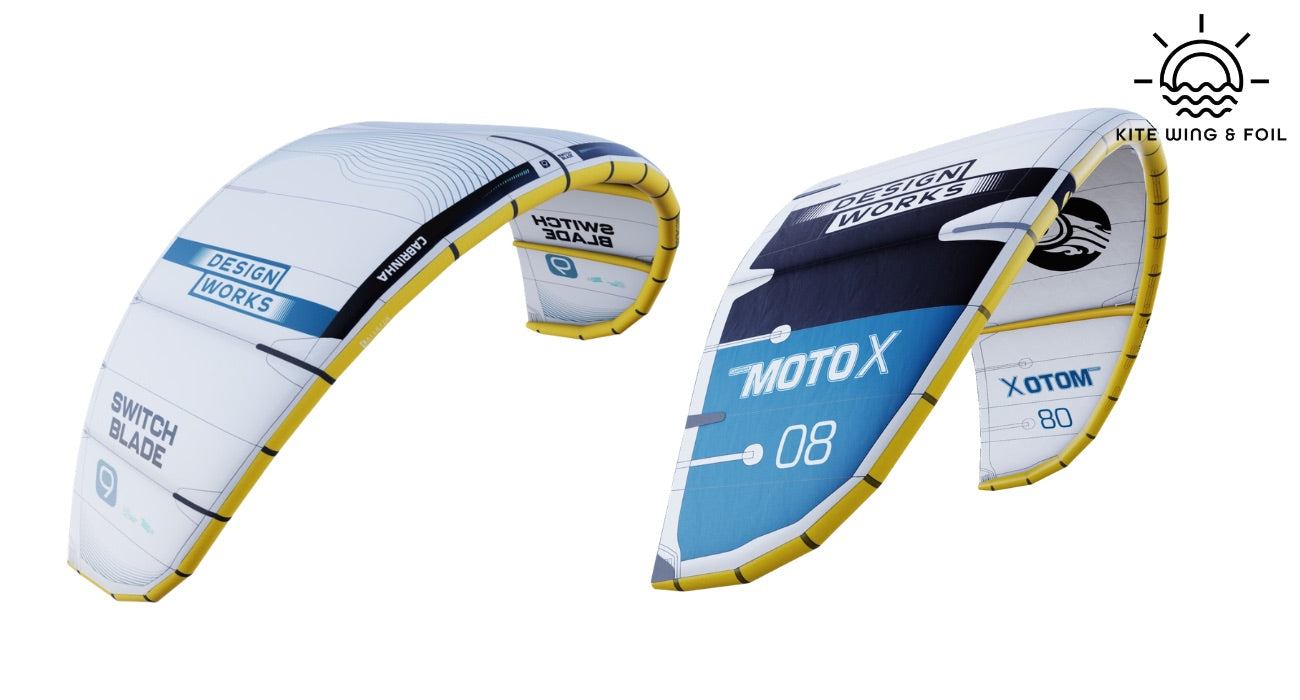
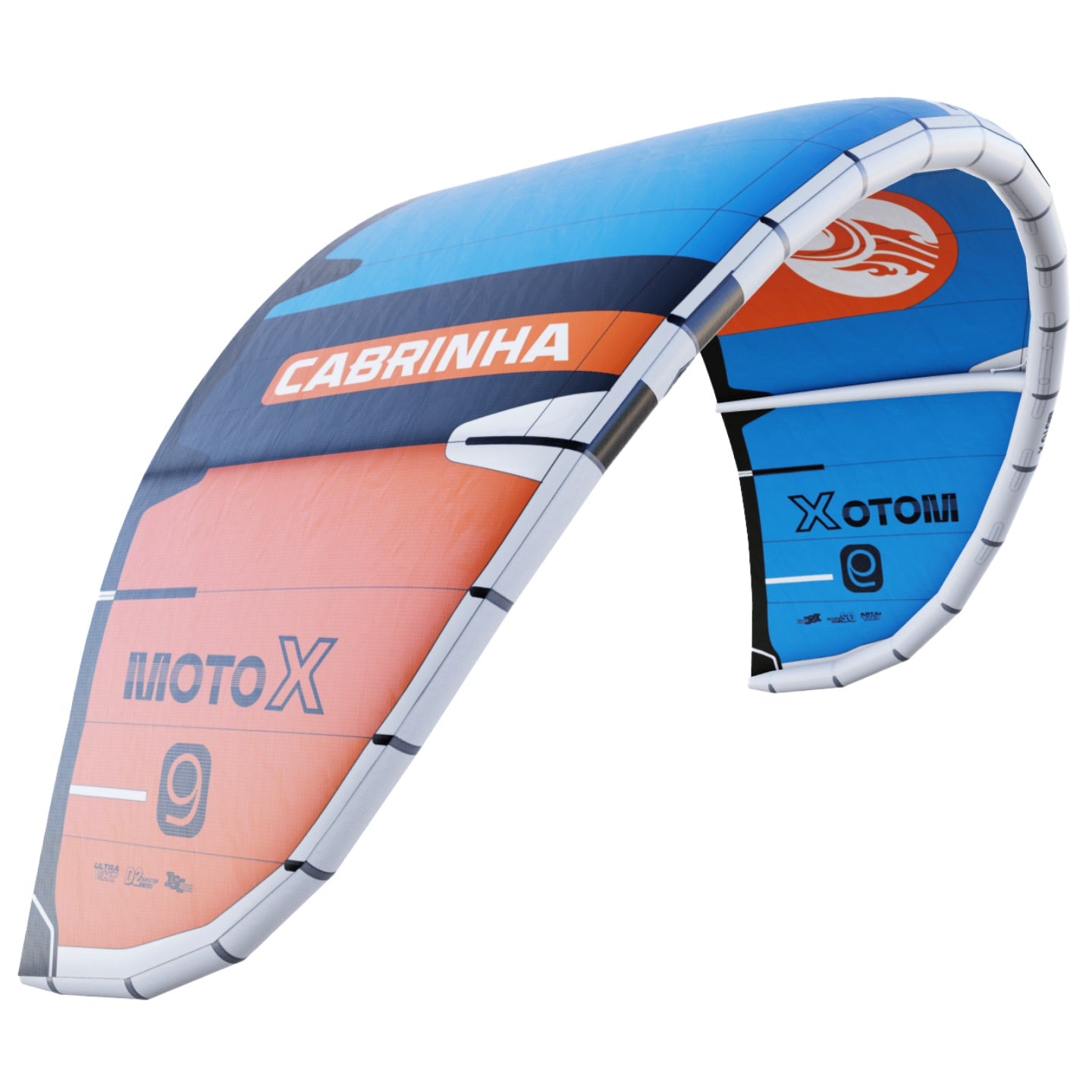
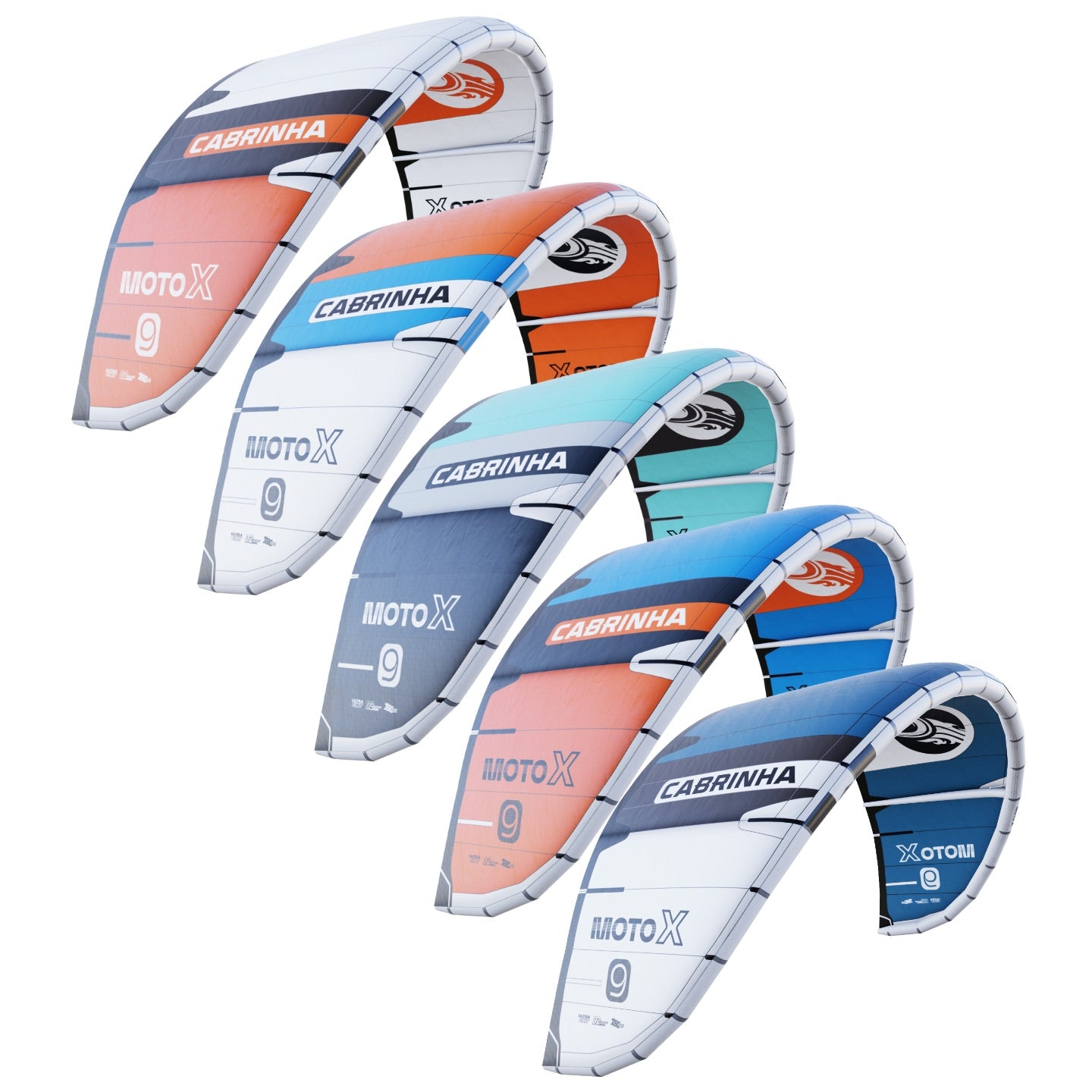
Compare the Cabrinha Switchblade Design Works 2026 and Moto X Design Works 2024. We explain the differences in handling, boosting, kite speed, freeride performance and who each premium Aluula kite ...
Read moreNeed help?
Frequently Asked Questions
The right kite size depends on rider weight, wind strength and board type.
Most riders between 70kg and 85kg typically use a 10m–12m kite in moderate wind conditions around 16–22 knots.
Lighter wind requires larger kites such as 13m–15m, while stronger winds above 22 knots usually require smaller kites around 7m–9m.
Beginner kitesurfers typically start with a 10m to 12m kite depending on rider weight and wind strength.
This size offers a good balance of power and control, making it easier to learn water starts and basic riding skills.
Stable freeride kites such as the Cabrinha Switchblade are commonly recommended for beginner riders.
For an 80kg rider a 10m or 11m kite is typically ideal in moderate wind conditions between 16 and 22 knots.
In lighter winds a 13m or 14m kite may be required, while stronger winds above 22 knots usually require a smaller kite around 8m or 9m.
Most riders use two kites to cover the typical wind range.
A common setup is a medium kite around 10m–11m and a larger kite around 13m–14m for lighter wind conditions.
Advanced riders sometimes add a smaller 7m–8m kite for strong wind sessions.
Yes. Larger kites generate more power and allow riders to ride in lighter wind conditions.
However they also turn more slowly and can feel harder to control in strong winds.
Smaller kites are faster, more responsive and better suited for strong wind riding.
Most beginners learn comfortably in wind between 15 and 20 knots.
This provides enough power to ride without being overly strong or difficult to control.
Stable freeride kites and medium kite sizes such as 10m–12m are commonly used in these conditions.