Strength Training Exercises for Kitesurfing and Wing Foiling
20 Exercises + 4-Week Plan
Want to ride longer, jump higher, and finish sessions with less fatigue? A simple strength programme can make a huge difference for kitesurfing and wing foiling because both sports demand grip endurance, shoulder stability, rotational core strength, and lower-body power for stance control and pop.
Strength work helps, but the right setup makes progression much easier too. If you’re building confidence, upgrading gear, or choosing your next kite / wing / board, start with our buying guides.
Why strength training helps for kitesurfing & wing foiling
The best training programmes for riders are not bodybuilding routines — they’re about joint resilience, power endurance and staying controlled when you’re tired. Better strength helps with edging, pumping, takeoffs, landings, wing handling and general confidence on the water.
| On-water demand | What to train | Why it matters |
|---|---|---|
| Grip + forearm endurance | Rows, deadlifts, carries, curls | Reduces arm pump and improves control in gusts |
| Shoulder stability | Pressing + pulling balance | Useful for wing handling, sheeting and long sessions |
| Lower-body power | Squats, lunges, step-ups, jumps | Better edging, stance control, pop and landings |
| Rotational core + bracing | Planks, twists, carries | Helps through turns, gybes, tacks and chop |
Minimal equipment
- Home: resistance bands, pull-up bar, 1–2 dumbbells or kettlebell, sturdy box/bench.
- Gym: barbell, cable row/pulldown, leg press, bench.
Use strength training to support your riding — then make sure your gear matches your level, wind range and goals.
The 20 best strength training exercises
Don’t do all 20 in one session. Pick 5–7 moves, train 2–3 days/week, and keep 1–2 reps “in the tank”. Consistency beats intensity for water sports.
Legs
- Box jumps – explosive power for pop, take-offs and quick stance changes
- Lunges – single-leg stability for chop and uneven loading
- Squats – foundational strength for legs and trunk bracing
- Bulgarian split squats – balance and strength for stance control
- Step-ups – drive and knee stability
- Calf raises – ankle resilience and board feel
- Leg press – useful volume work if managing back fatigue
Chest
- Bench press – pushing strength; balance with rows and pulling work
- Dumbbell flys – controlled range and shoulder capacity
Back
- Deadlifts – posterior chain and grip
- Rows – lats and upper-back endurance
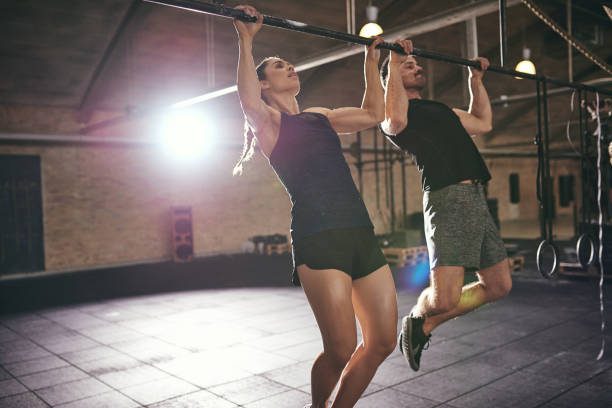
- Pull-ups – vertical pulling strength
- Romanian deadlifts – hamstrings and glutes for riding posture
- Lat pull-downs – a scalable pull-up pattern
Arms
- Bicep curls – elbow resilience and forearm support
- Tricep extensions – lockout strength for overhead control
Shoulders
- Shoulder press – overhead capacity, especially useful for wing foiling
Core
- Sit-ups – trunk flexion endurance
- Russian twists – rotational control
- Planks – bracing and anti-extension strength
If your goal is to jump higher, ride longer or progress faster, your setup matters too. A stable kite, correct board size and suitable foil / wing choice can make progression much easier.
A simple 4-week plan
This plan is designed for riders who want stronger sessions without feeling wrecked. Warm up for 5–10 minutes, then use the templates below.
| Day | Main lifts | Accessory | Core finisher |
|---|---|---|---|
|
Day A Lower + Pull |
Squat or Leg Press Rows |
Lunges or Step-ups | Plank |
|
Day B Hinge + Push |
Romanian Deadlift Bench Press |
Shoulder Press | Russian Twists |
|
Optional Day C Power + Conditioning |
Box Jumps Pull-ups or Lat Pull-downs |
Calf Raises Curls / Triceps |
Sit-ups |
Progression: each week, add 1–2 reps per set or a small weight increase while keeping form clean. If you’re riding a lot that week, keep the weights the same and maintain.
Gear that supports better sessions
Strength training helps you ride better, but your kit still needs to match your level, wind range and goals. If you’re training because you want to progress, these are the pages most riders should visit next.
If you ride regularly, staying warm, dry and comfortable between sessions helps you get more water time.
FAQ
How many days per week should I strength train for kitesurfing or wing foiling?
What is the best area to train for wing foiling?
What is the best area to train for kitesurfing?
What should I do if I only have 20–30 minutes?
Can better equipment help as much as training?
Conclusion
If you want better sessions on the water, train like a rider: build strong legs, stable shoulders and a resilient core. Keep it consistent, progress slowly and you’ll notice the difference in control, stamina and confidence.
Ready to improve your setup too?
If training is part of your progression plan, make sure your gear matches your weight, wind range and goals.